
The agreement was reached overnight and was announced directly by Donald Trump : Israel and Hamas reached the agreement in Sharm el-Sheik. The two sides signed the first phase of the plan for Gaza: a ceasefire, partial withdrawal of the IDF from the Strip, the release of hostages in exchange for the release of Palestinian prisoners, and the opening of humanitarian aid corridors are the key points. To achieve peace, however, further rounds of negotiations are still needed. Of the famous 20 points of the US president's plan, in fact, many knots remain to be untied.
The ceasefire between Israel and Hamas
With the approval of Benjamin Netanyahu's government, Tel Aviv will officially ratify the agreement and within 24 hours a"total ceasefire" will be implemented. In the Strip, in fact, shooting continues. And it will likely continue like this until Friday. Hamas spokesman Hazem Qassem, speaking to Al Jazeera, said he was “in contact with the mediators to force the occupation to respect what was agreed and not allow any delays,” adding that there had been talk of “a ceasefire at noon today, but the occupation, for internal reasons, is postponing the announcement to another date.”
The withdrawal of the IDF (which will remain in 53% of the Strip)
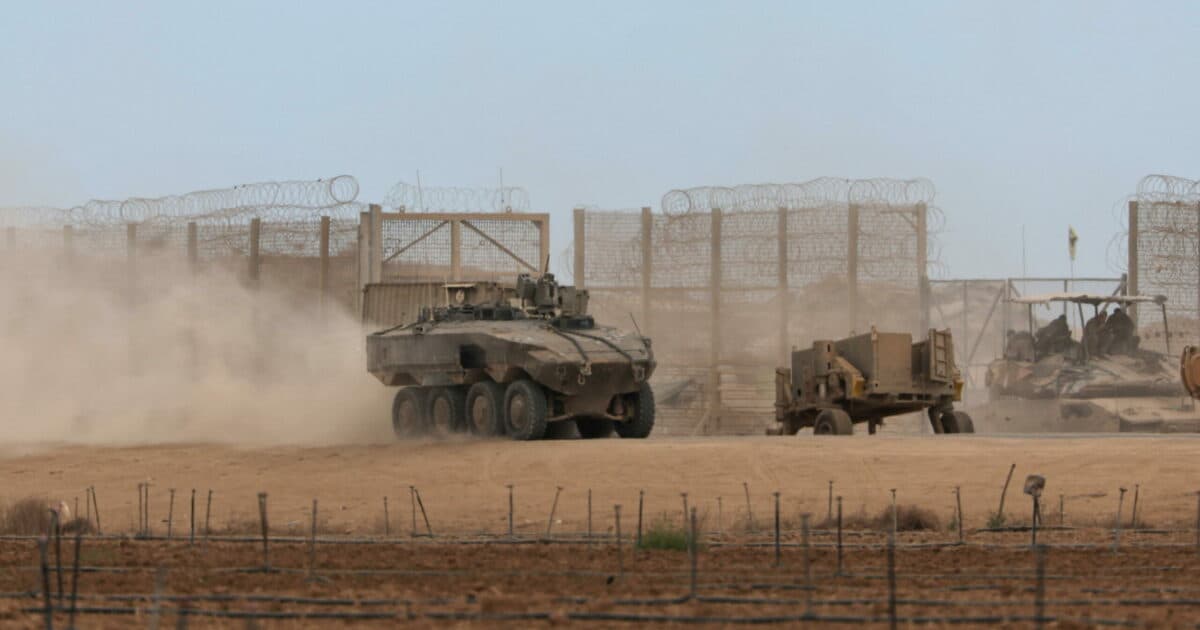
Within 24 hours of the agreement's ratification, the gradual and partial withdrawal of Israeli forces from the Gaza Strip is expected to begin. According to the maps drawn by Trump's plan, the IDF is expected to retreat behind the"yellow line" (from 1.5 km to over 5 km inside the Strip's border, depending on the depth of the Gaza Strip). A withdrawal from Gaza City and other towns is expected, with the exception of Rafah, which Israel considers a point of entry for weapons to Hamas. However, the Israeli Prime Minister's office spokesman, Tal Heinrich, specified that the Tel Aviv army will retain control of approximately 53 percent of the Strip.
The exchange of hostages and prisoners
Another key point is the release of Israeli hostages (living and dead) in exchange for the release of Palestinian prisoners. Within 72 hours of the agreement's ratification (likely Monday), the remaining hostages (estimated at 20) will be released, along with 250 prisoners held by Israel and sentenced to life imprisonment and 1,700 Gazans arrested after October 7, 2023. The list of these prisoners is not yet known: the Israeli government has specified that Fatah leader Marwan Barghouti will not be among those released, as requested by Hamas.
The arrival of aid for the Gazans
The agreement includes the opening of five border crossings to allow the flow of humanitarian aid into the Gaza Strip, with at least 400 trucks of aid per day initially expected to enter. The United Nations agency for Palestinian refugees (UNRWA) hailed the ceasefire agreement between Israel and Hamas as a “huge relief” and said it was ready to “flood” Gaza with desperately needed food. “UNRWA has food, medicine and other essential items to send to Gaza. We have enough food to feed the entire population for the next three months,” the agency’s director, Philippe Lazzarini, told X.
Phase two will require further negotiations aimed at resolving several crucial issues. In addition to a further IDF withdrawal behind the"red line" (further than the "yellow line"), there is the establishment of a"buffer zone" along the border between the Gaza Strip and Israel. Among the 20 points of the Trump plan, the second phase includes the creation of a US-led international interim administration, with the participation of Arab countries and former British Prime Minister Tony Blair. On this point, Hamas has rejected any foreign or Western administration, while it would be open to a Palestinian caretaker government"under the aegis of the Palestinian National Authority," guaranteed by Arab and Muslim countries. The establishment of an International Stabilization Force (ISF), with Arab and international partners, is also envisaged, to be deployed"immediately" in Gaza. Another issue to be resolved is the disarmament of Hamas. The Palestinian group's spokesperson maintained that the issue was not addressed in the talks:"The weapon of resistance is legitimate to defend our people and guarantee the independence of Palestinian decision-making," he added. Trump's plan states that the ultimate goal is to create the conditions for a credible path to Palestinian self-determination and statehood. But Israel's firm"no" remains.