
Iran is allegedly hacking private security cameras in Israel in order to collect real-time information about the situation in the field, reports a Bloomberg report.
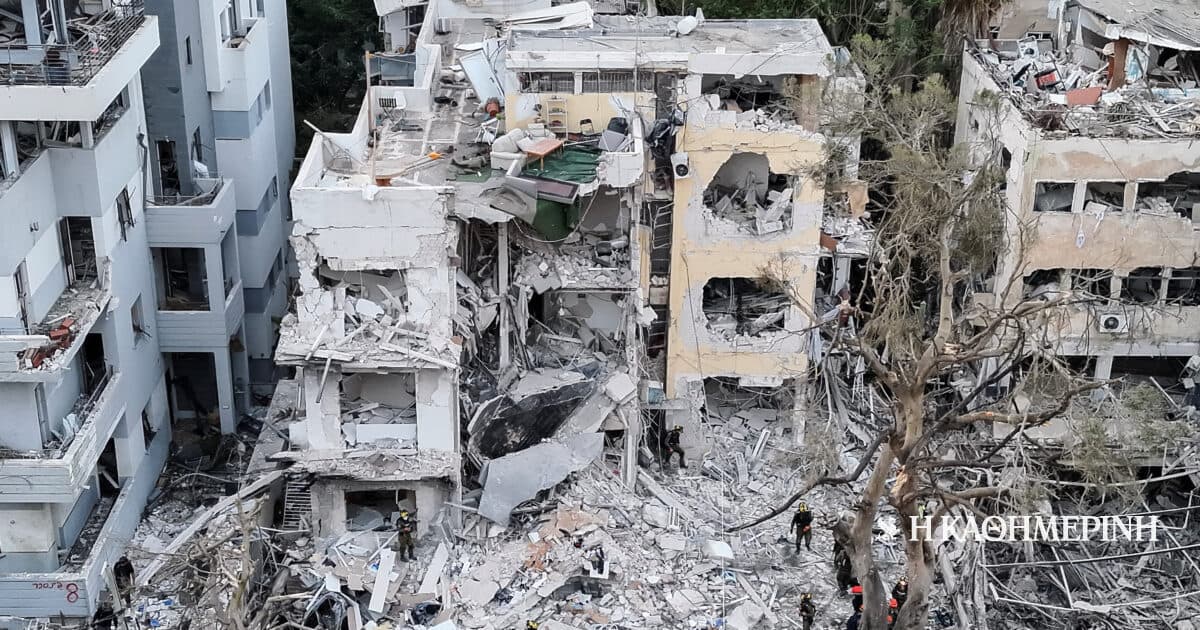
Earlier this week, a former Israeli cybersecurity official went on the country’s public radio to issue a stern warning: Turn off your home security cameras or change your password. The statement came as Iranian ballistic missiles hit high-rise buildings in Tel Aviv.
"We know that in the last two or three days, the Iranians have been trying to connect to cameras so they know what happened and where their missiles hit to improve their accuracy," Rafael Franco, former deputy director general of Israel's National Cyber Directorate, said on Monday.
Cyberattacks are a key tool of war and are in the arsenal of both Israel and Iran. A few days ago, a pro-Israeli hacking group known as Predatory Sparrow claimed responsibility for hacking a major Iranian bank and breaching an Iranian cryptocurrency exchange. Iran's state-run IRIB News reported that Israel had launched a full-scale cyberattack on critical infrastructure in the country.
A spokesman for Israel’s National Cyber Directorate confirmed that cameras connected to the internet are increasingly being targeted by Iran. We have seen efforts throughout the war and these efforts are starting now, the spokesman said.
This is not the first time that Israel's adversaries have hacked cameras for espionage purposes. For example, Hamas hacked private security cameras before its October 7, 2023, invasion, according to the director of Israel's National Cyber Directorate.
Hamas's collection of information from private cameras in the Gaza Strip was a disaster, the director said in an interview. Thousands of cameras, both public and private, were hacked over the years and used to gather information, she added.
Similar tactics have been used by Russia since its invasion of Ukraine. Russia likely hacked private cameras at key locations, such as near border crossings, military installations and train stations, to monitor the movement of supplies, according to the U.S. National Security Agency and other Western intelligence agencies. The perpetrators also used legitimate municipal services, such as traffic cameras, he added.