

FAQ
Israel and the terrorist organization Hamas have agreed on the first phase of the US peace plan. But not all points have been resolved yet. What happens next? And what might the future of the Gaza Strip look like?
What was agreed?
The agreement reached overnight was based on the peace plan introduced by US President Donald Trump. According to Trump, both Israel and the Islamist Hamas group have now approved the first phase of the plan in indirect negotiations. This includes the release of the Israeli hostages kidnapped by Hamas. There are still 48 hostages in the Gaza Strip, of whom 20 are still alive, according to Israeli information.
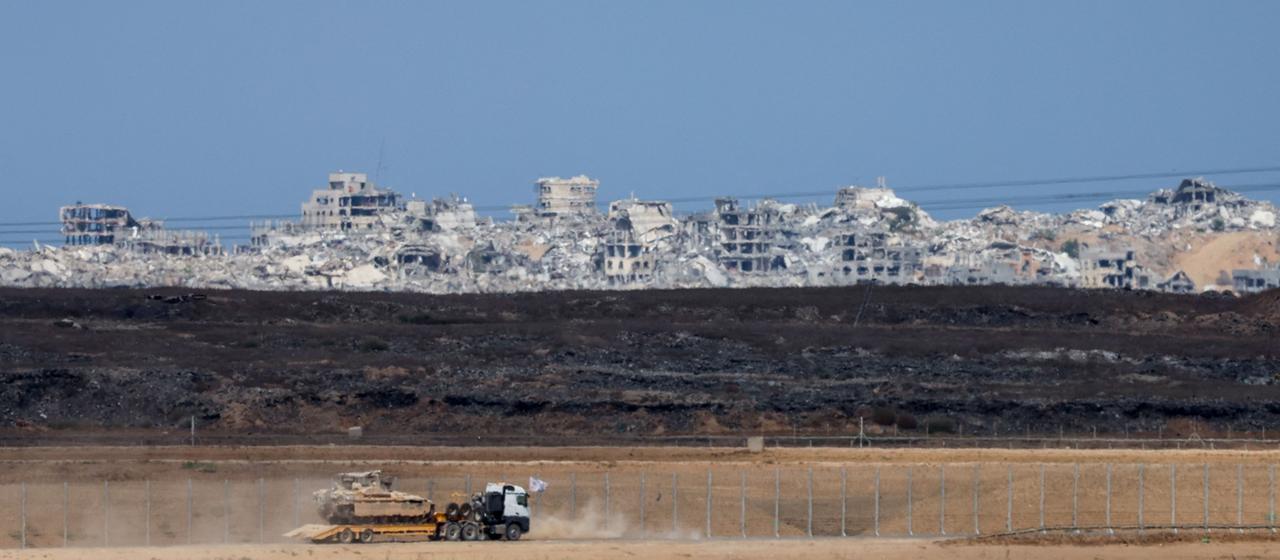
In return, Israel is to release approximately 250 Palestinian prisoners sentenced to life imprisonment, as well as approximately 1,700 prisoners detained after October 7, 2023. Israeli troops are also to withdraw behind an agreed line in the Gaza Strip. Hamas stated that the agreement also provides for an end to hostilities in the Gaza Strip.
What is still open?
Exactly when the hostages will be released remains unclear. Likewise, whether all the hostages and bodies will be handed over at once. Trump told Fox News he believed all the hostages—including those already dead—would return on Monday. The peace plan stipulates a deadline of 72 hours after the agreement goes into effect, so it also depends on when it is signed.
It also remains unclear which Palestinian prisoners Israel will release in exchange for the hostages. This was also a point of contention in the negotiations in Egypt.
Despite the approval of the first phase, there is still no precise timetable governing the post-war administration of the Gaza Strip and the fate of Hamas.
What are the next steps?
The Israeli army announced Thursday morning that it had"begun operational preparations for the implementation of the agreement" to withdraw its soldiers to an agreed-upon line. A senior White House official told Reuters that Israel must withdraw to the agreed line within less than 24 hours of the agreement being reached.
A foreign ministry spokesman for mediator Qatar said both sides had already agreed on"all provisions and implementation mechanisms of the first phase of the Gaza ceasefire agreement."
Israeli Prime Minister Benjamin Netanyahu announced a government meeting for Thursday to approve the agreement with Hamas. According to Hamas, the agreement is expected to be officially signed later that day.
A Hamas official also said that negotiations for the second phase of the ceasefire would begin"immediately."
What follows in the second phase of the plan?
In a second phase of negotiations, conditions are to be created that will secure long-term peace. For example, according to Trump's plan, a complete withdrawal of Israeli soldiers from Gaza, which Hamas is demanding, is only scheduled for a later date, when an International Stabilization Force (ISF) is providing security on the ground. The disarmament of Hamas will also be addressed at a later date.
The Islamist Hamas recently agreed that, after the end of the war, the Gaza Strip would initially be governed by an interim government of Palestinian technocrats under the supervision of an international body. However, it is unclear whether this also means that it has agreed to the Trump peace plan's requirement that it play no role in the process. This question is likely to be raised in further negotiations on a second phase.
What obstacles are there in the negotiations?
Despite the relief felt by the hostage families and the people in the Gaza Strip, not everything is settled yet. Experts also point this out."We're only at point 2 of 20," says political scientist Bente Scheller of the Heinrich Böll Foundation in an interview with tagesschau24.
Hamas has so far refused to negotiate Israel's demand for disarmament. According to a Palestinian official, Hamas will insist on this as long as Israeli troops occupy Palestinian land. According to insiders, the mechanism for a full Israeli withdrawal is also among the points of contention.
Arab states that support the US plan demand that it must lead to an independent Palestinian state. Netanyahu, however, rejects this – also under pressure from his political partners."In particular, Smotrich and Ben Gvir, two ministers who belong to the far-right wing of his government, want to continue this war because they say Hamas can only be adequately defeated militarily," says Scheller.